
BUSINESS CONCEPT
A network of local video voices
A publication where local voices have room for a continuing series.
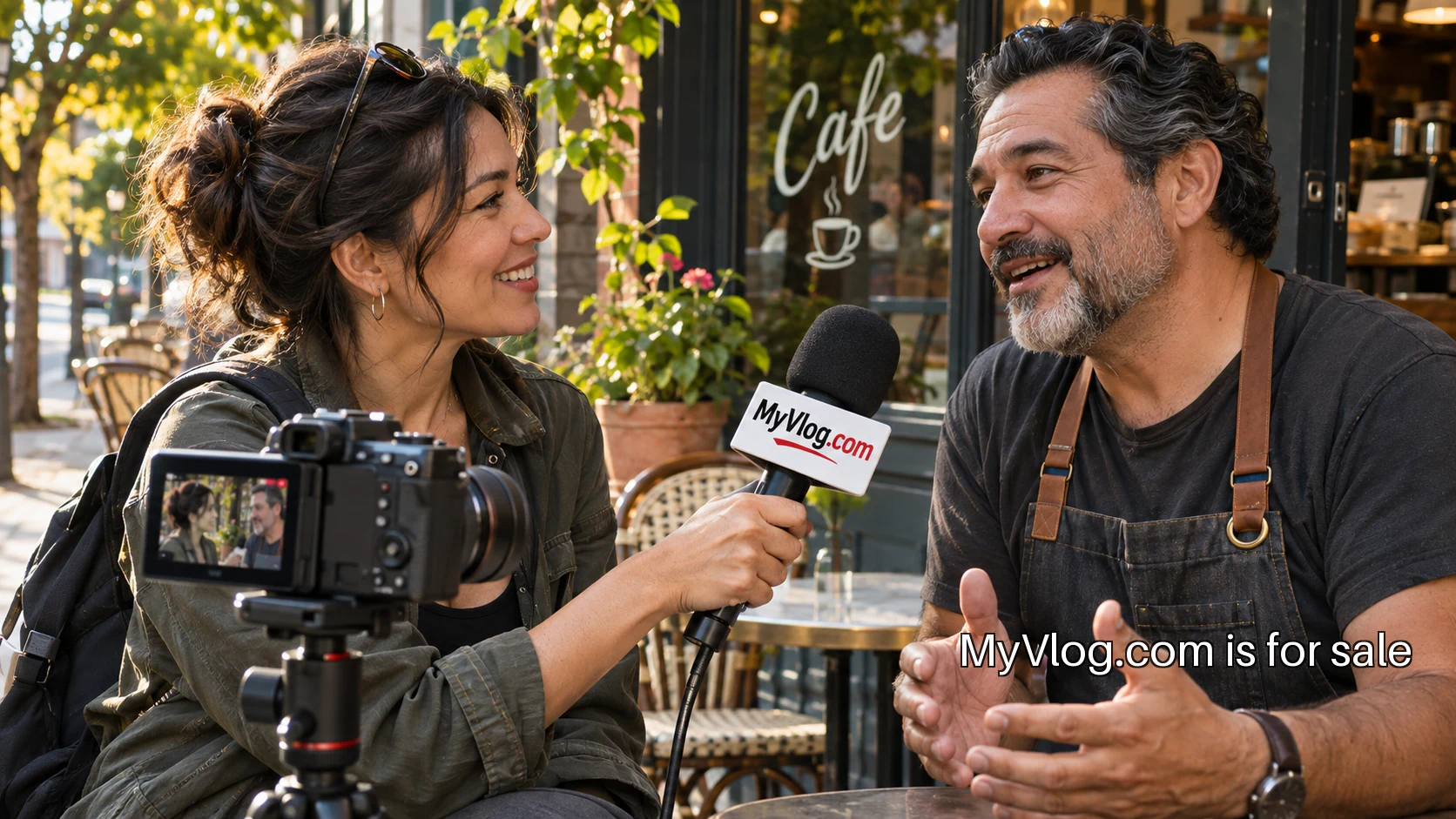
A local video publication can start with a small editorial promise: return to a place often enough to explain how it works. MyVlog.com could be a home for several local contributors, each making a continuing series about a neighborhood, a craft, a community venue or the people who keep it running. The common thread would be patient reporting and a recognizable place to find the next installment.
Choose a bounded area and a subject the founding team can cover well. A series about the working life of one market is more manageable than a plan to cover an entire city immediately. The pilot could follow stallholders, deliveries and the changing use of the space over a few weeks. That produces a collection with continuity, rather than a feed of unrelated local clips.
Commission a series, not a pile of clips
Begin with a short commission describing the audience, the question, the number of episodes and the expected length. Name the editor who will review the work and the person responsible for publication. A contributor should know what is being requested before taking a camera into the field. A clear brief also makes it easier to discuss a story that turns out differently from the initial plan.
For the market example, each episode might focus on one question: how a stall is prepared, how a seasonal product reaches the counter, or how the space changes at closing time. The same structure can connect the episodes while leaving room for each contributor's voice. A short introduction and a stable page layout give the publication a consistent way to present them.
Agree on rights, credits, compensation and reuse before recording. Put permissions and contact responsibilities in writing, including how footage supplied by someone else may be used. A local publication is built through repeated relationships. The editor needs a dependable record of what was agreed so that the next assignment begins from a clear position.
Give each contributor an editorial partner
A commissioning editor should help shape the question, review the material and check the finished story. That role is more useful than simply requesting more footage. When the first cut arrives, separate factual checks from stylistic preferences. A wrong name, an unclear explanation and a pacing choice require different conversations with the contributor.
The workflow should include a correction path. Put a contact route on every episode page and keep a record of substantive changes. If a business changes its opening hours after a story is published, a dated note can explain the update. The publication can retain the original reporting while making the current context visible to the reader.
Plan the accessible version with the commission. The W3C planning resource helps identify the media tasks that need time and responsibility. A contributor who knows the final page will include a transcript can capture names and useful descriptions while on location. That preparation helps the editor publish a complete story.
Organize the place as well as the timeline
The publication needs more than a latest-videos grid. A neighborhood page could introduce its series, list the contributors and collect related episodes. Topic pages might cover food production, public spaces or local making. Start with the categories supported by the pilot material, then add a new one when there are enough episodes to make it useful.
Each episode should have a stable address, a concise description and links to related reporting. A local viewer may arrive through a shared clip and want the earlier episode in the same story. Someone planning a visit may want the location context. A clear page can support both routes without loading the video with every detail.
Transcripts add another way into that reporting. The W3C transcript guidance explains the role of text alternatives. In this publication, an editor can also use the transcript review to verify names and identify terms that need explanation. Treat it as part of the episode's editorial package.
Test the economics with one commission
The founder should know the cost of commissioning, editing, captioning and publishing a short series before expanding the network. Record the time spent by role, including the less visible work of scheduling and follow-up. That produces a grounded plan for the next commission. A schedule that depends on unpaid last-minute work will be difficult to repeat.
Potential support might come from readers, a clearly separated sponsor placement or an organization commissioning a defined series. Each route needs its own terms. Keep editorial decisions and commercial commitments legible, especially when a sponsor operates in the area being covered. A short public policy can explain how those relationships are handled.
MyVlog.com can bring those local voices under one publishing identity while leaving authorship visible on each story. The first step is one neighborhood, one editor and a short commissioned series with a complete episode page. Publish the work, talk to contributors and viewers, and use that cycle to decide the next subject. A network becomes real through a production rhythm that people can join and repeat.
A HOME FOR YOUR VIDEO BRAND