
INSIGHTS
How to plan a video series you can keep making
A format brief, a realistic production rhythm, and a three-episode test.
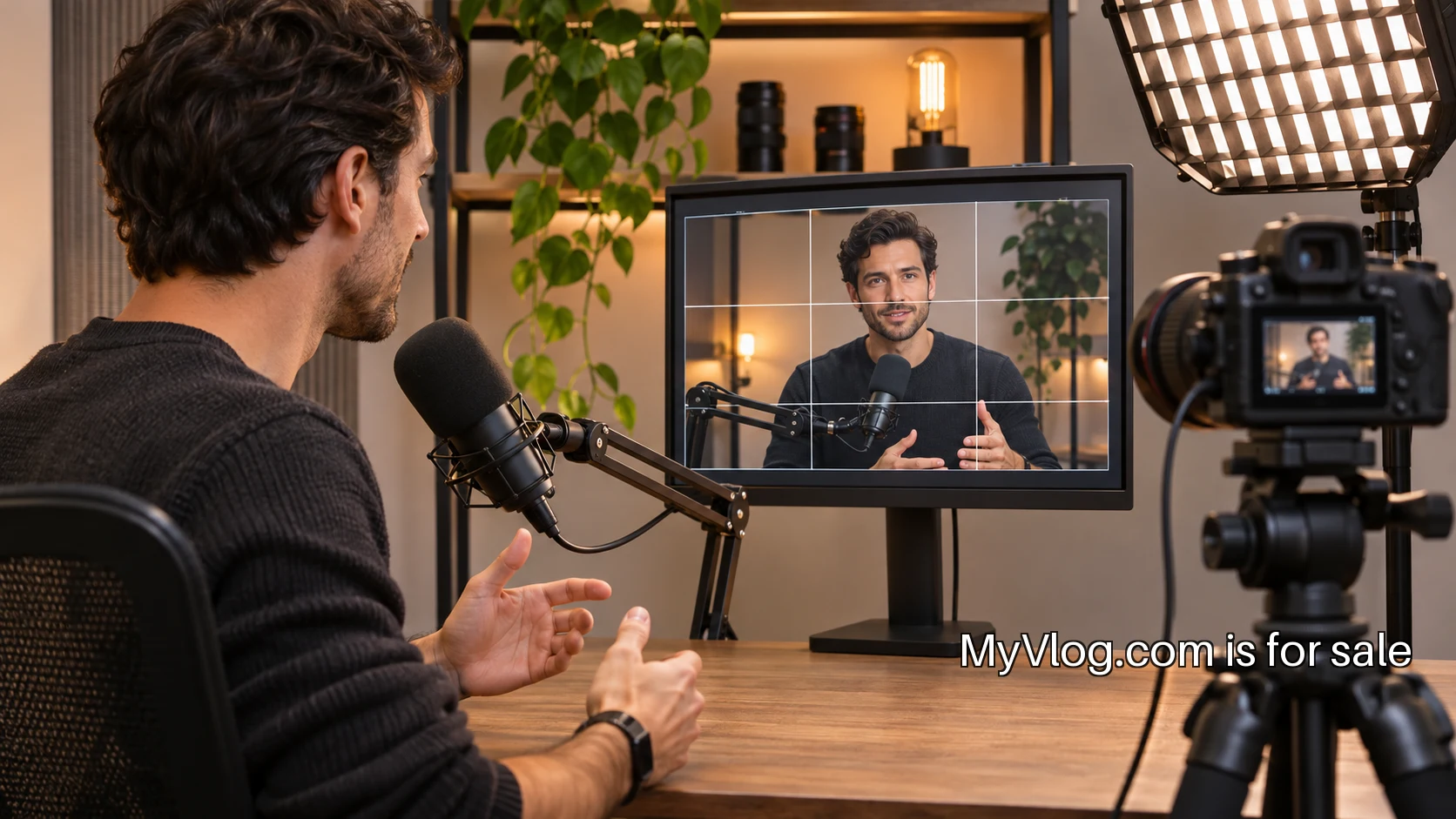
A video series becomes easier to sustain when its format answers a few decisions before recording begins. What question does each episode help someone answer? What can the creator produce with the time and equipment actually available? What stays consistent from one installment to the next? Those decisions form a working format. A theme alone is not enough to tell you what to record on Tuesday.
Start with the smallest version that would still be useful. A creator documenting home repairs could begin with one repair, one clear explanation and one finished result in each episode. That is a stronger production brief than “a channel about making things.” The narrower promise helps you choose footage, decide what belongs in an episode and recognize when the piece is complete.
Write the audience's question first
Describe the person watching and the task they are trying to complete. “A renter deciding how to repair a loose cupboard handle” is specific enough to shape an episode. It suggests the level of explanation, the likely tools and the amount of background needed. You can then choose a question such as “What should I check before replacing the handle?” and build the recording around an answer.
Avoid putting three different jobs into the same opening episode. An equipment review, a personal update and a detailed tutorial each ask for a different structure. Pick the main job and give the others their own place. If the series is an interview, decide whether it is primarily a profile, an explanation of someone's process or an investigation of a particular subject.
Write a one-sentence promise that can be reused internally: each episode shows one repair from diagnosis to a final check. That sentence is a production tool. When an attractive tangent appears in the edit, compare it with the promise. Material that belongs elsewhere can become a later episode instead of making the first one harder to follow.
Define the parts that repeat
A repeatable format gives you a starting sequence. For the repair series, it might be the problem, the inspection, the repair and the result. For an interview, it might be a short scene, a central question, a demonstration and a final reflection. Keep the sequence simple enough that you can describe it to a collaborator in a minute.
Give each part a job rather than a rigid duration. The opening needs to establish why the viewer should watch. The middle needs to show the relevant work. The ending needs to resolve the question. A fixed time limit can be useful, but it should not force you to remove the one explanation that makes an action understandable.
Decide which visual elements recur. A consistent opening frame, a readable lower-third and a common closing card can carry the series identity without requiring a new design every week. If the publication uses MyVlog.com as its home, that address can appear in the same place each time. The creator can then spend more attention on the subject of the episode.
Plan the accessible version before filming
Include captions, transcripts and any needed description in the production plan. W3C's media planning guidance treats accessibility as part of preparation. Assign an owner for these tasks alongside the owner for the edit. A release date should account for review of the complete episode package.
During a demonstration, explain the meaningful action aloud when that fits naturally. Record the correct names of people, places and tools. Leave time to obtain a clean pronunciation if one is unfamiliar. These small habits make the later transcript and caption review more straightforward. They also help a collaborator understand what the shot is meant to show.
Review the transcript against the final cut rather than an earlier script. Spoken wording often changes during filming. Check that the text covers the information someone needs to understand the episode, including relevant visual details. Keep the published transcript on the episode page where it can be found without searching through a collection of downloads.
Budget the whole production cycle
Recording is only one part of making a series. List the tasks from selecting a subject through checking the published page. Include scheduling, travel, file transfer, review, captions, artwork and distribution. Estimate the time for each task, then compare the total with the hours the team can actually protect every week or month.
Give review a defined window. If a guest needs to check names or factual details, say what they are reviewing and when their response is needed. Decide who can approve the final version. An episode with three informal approvers can stall because everyone assumes another person will make the decision. One named owner makes the next action visible.
Choose a release rhythm after this exercise. A monthly episode with a complete page and a useful archive can be a stronger starting point than a weekly promise that consumes every spare evening. The right interval is the one the team can repeat while maintaining the standard it wants to publish under.
Test three different episodes
Before announcing a long season, make three episodes using the proposed format. Choose subjects that stress it in different ways. One can be straightforward, another can require a guest, and a third can involve a location or demonstration. This shows which parts of the structure are dependable and which only worked for the easiest topic.
Keep a brief production log. Record where you spent more time than expected, what information was missing at the edit and which sections needed another recording. Ask a few viewers to describe the main point after watching. If they remember the opening story but miss the practical answer, the middle may need a clearer sequence.
Change one or two things between pilots. You might shorten the introduction, add a diagram or move the result closer to the beginning. Avoid rebuilding the entire format after every reaction. The purpose of the test is to find a stable pattern that serves the viewer and fits the production team.
Give the series a home
Prepare an episode page with the video, a concise summary, transcript and links to the previous or next installment. Add a series page that explains the promise and provides an order for watching. Where the platform supports chapters, use meaningful labels. The official chapter instructions describe how timestamps are configured for that destination.
Keep a short format brief beside the publishing checklist. It should name the audience, question, repeated sequence, essential assets, approval owner and realistic release rhythm. After the three-episode test, revise it using what actually happened. That brief becomes the starting point for a collaborator, a second series or a return after a break. You will have a publication routine you can explain and a practical answer to what comes next.
A HOME FOR YOUR VIDEO BRAND